DMG Masonry repairs chimneys in Drumheller, including the older brick chimneys on homes that have stood in the valley for generations. We repoint mortar, replace spalled or cracked brick, rebuild unstable tops and repair crowns.
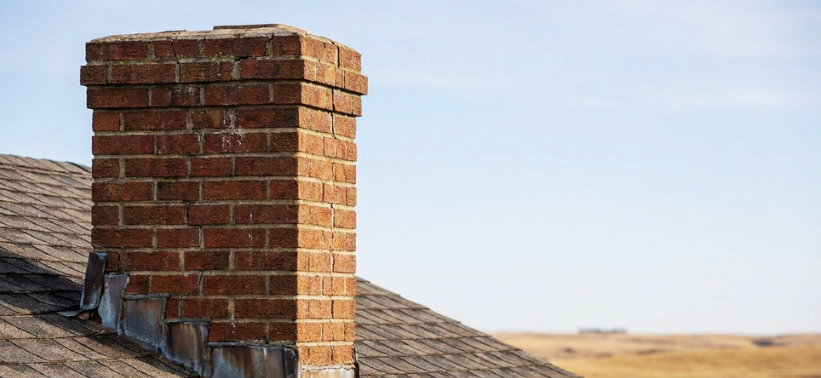
Drumheller grew as a coal-mining town in the early 1900s, and some of its homes still have their original brick chimneys. The Red Deer River valley also has some of Alberta's hottest summers and still freezes hard in winter, so masonry here expands and contracts through a wide range of temperatures every year.
We look at the visible damage and at the parts of the chimney that control water: the mortar, the brick faces, the slope of the crown and where the chimney meets the roof. That shows where the damage begins and how far it goes.
 Repointing with suitable mortarSpalled brick replacementCrown replacementChimney top rebuilds
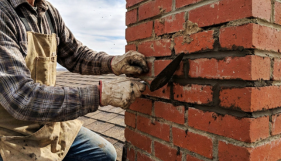
Surface cracks and worn joints should be checked before loose pieces become a safety problem. Repointing, replacing individual bricks and rebuilding small sections keep the stable parts of the original chimney.
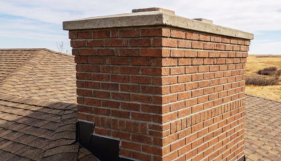
We build crowns that slope and overhang, so water runs off the chimney instead of into it. A good crown protects every other repair. Our masonry repair page covers cracked brick and mortar on the rest of the house.
Early 20th-century chimneys were often built with softer brick and lime-based mortar. Repairing them with hard modern mortar can crack the old brick, so we choose a mortar that suits the original masonry. Our guide to maintaining a 100-year-old chimney explains why.
Strong sun and dry wind wear away exposed mortar and crown surfaces, and a sudden storm then drives water into the cracks. Crowns in particular dry, shrink and crack, letting water into the top of the chimney.
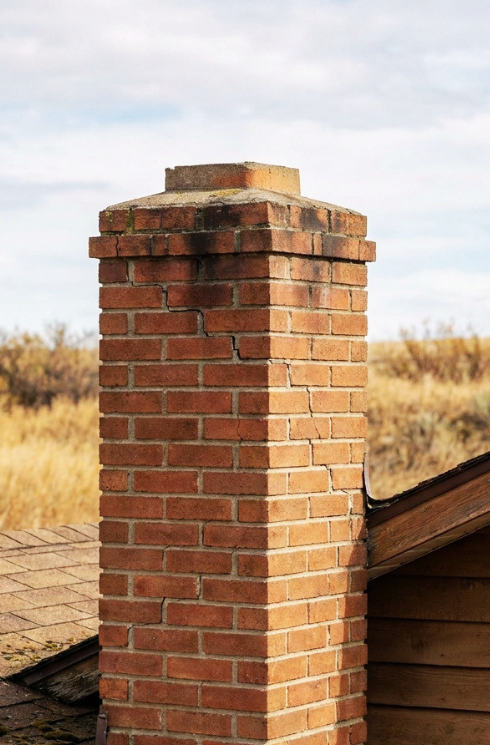
A chimney that leans, pulls away from the house or shows stair-step cracks has moved. Movement needs an assessment before any repair, because the fix may mean rebuilding a section rather than repointing it.
 1
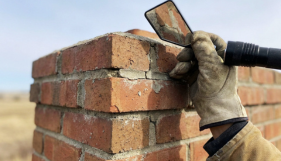
We check the brick, mortar, crown and any signs of movement.
 2
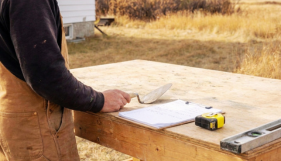
We choose a mortar and method that suit the age of your chimney.
 3
Spalled brick is replaced and joints are repointed or rebuilt.
 4
We pour a crown that sheds water and finish the work to match.


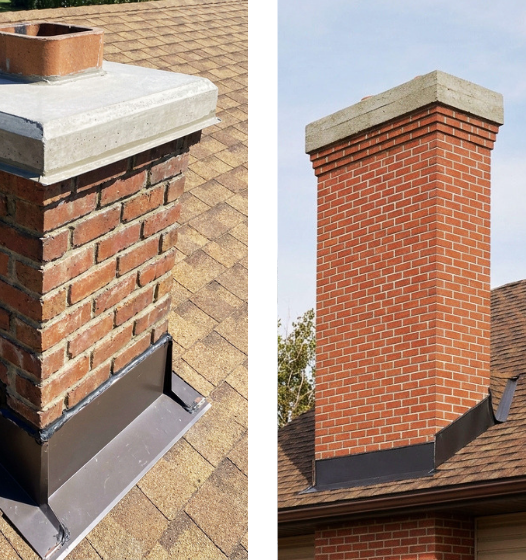
From weathered joints to unstable upper courses, we repair what affects your chimney's strength and water resistance, using methods suited to older masonry, and finish it so it belongs on your home.
 Diagnosis before recommendationsMortar suited to older brickDurable crowns and jointsA finish that blends in
Often, yes. Old brick chimneys can usually be repointed, have damaged bricks replaced and get a new crown, as long as the structure is sound. The key is using a mortar that suits the old brick. If the chimney has moved or the brick is badly deteriorated, rebuilding the top section may be the better option.
Leaning usually means the chimney has lost support, or the masonry has deteriorated at the base or at the roofline. A leaning chimney can be dangerous in high winds, so have it inspected soon rather than waiting to see if it gets worse.
Spalling is when the face of a brick flakes or pops off. Water soaks into the brick, freezes and expands, and the surface breaks away. Spalled brick can't be patched; the damaged bricks are cut out and replaced, and the source of the water is fixed so it doesn't happen again.
We source brick that matches the colour, size and texture as closely as possible, and match the mortar colour and joint style. On very old chimneys an exact match isn't always possible, but the repair should blend in.
Call 1-403-619-8727 or use the form with your address and a few photos of the chimney. We'll arrange a visit to confirm the condition and the repair.
Seeing cracks or a leak? Send us your Drumheller address and a few photos, and we'll arrange an inspection. Call 1-403-619-8727 or fill in the form.

© DMG Masonry. Crafted spaces, built to last.
